
Ever wondered how tankless water heaters work and how they can deliver hot water without a bulky storage tank? Instead of heating and storing 40 to 60 gallons of water all day, a tankless system heats water only when you need it. Cold water flows through the unit, is heated instantly, and goes straight to your tap. No tank, no waiting for reheating, and far less wasted energy. For many Fraser Valley homeowners, this means steady hot water, better efficiency, and major space savings.
At Real Deal Plumbing, we have completed over 1,000 water heater installations across Langley and the Fraser Valley, including both tank and tankless systems. In this guide, you will learn exactly how tankless water heaters work, how they compare to traditional tanks, the difference between gas and electric models, and whether this technology is a good fit for your home.
What Is a Tankless Water Heater?
A tankless water heater, also called an on demand or instantaneous water heater, heats water only when a hot water tap is opened. There is no storage tank holding preheated water. Instead, cold water enters the unit, passes through a heating system, and exits at the set temperature within seconds.
Because there is no tank, these systems are compact and usually wall mounted. Many are about the size of a small suitcase, which frees up valuable floor space. Tankless water heaters are available in both gas and electric models and, with proper sizing, can supply multiple fixtures at the same time.
Another benefit is efficiency. Since water is only heated during use, energy is not wasted keeping stored water hot. Tankless systems typically last 15 to 20 years, compared to about 8 to 12 years for most tank water heaters.
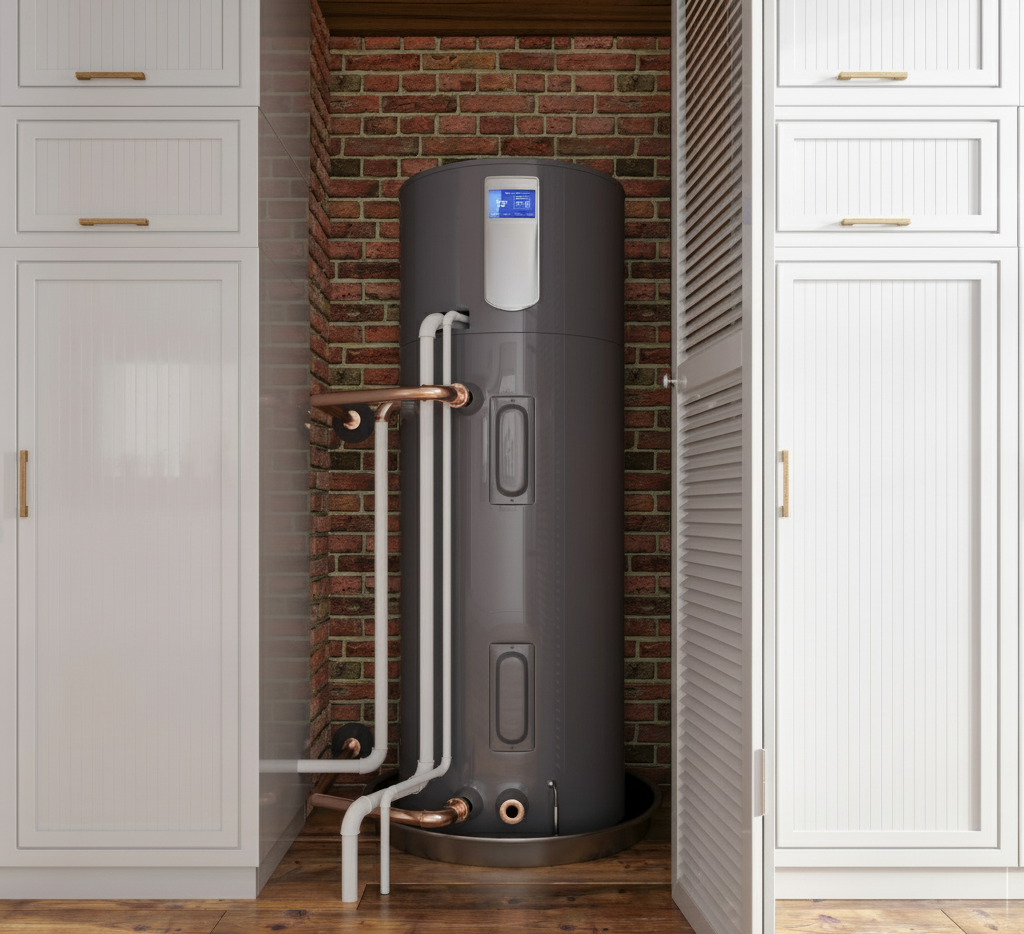
Traditional Tank vs. Tankless Water Heaters: The Key Difference
How Traditional Tank Water Heaters Work
Traditional water heaters store hot water in a large insulated tank, usually 40 to 60 gallons. The unit reheats this water throughout the day, even when no one is using it. This standby heat loss adds to energy costs.
Once the tank empties, such as during long showers or multiple uses, the system needs time to reheat. This recovery period can leave you without hot water. Tank units also take up significant floor space and typically last 8 to 12 years.
How Tankless Water Heaters Are Different
Tankless water heaters do not store water. When you open a tap, the system heats water instantly as it flows through the unit. There is no standby heat loss and no recovery time.
As long as demand stays within the system’s flow rate capacity, hot water can be delivered continuously. These systems are compact, wall mounted, and well suited for homes where space is limited.
According to Natural Resources Canada, homes using less than 41 gallons of hot water per day can see energy savings of 24 to 34 percent with tankless systems. While upfront cost is higher, longer lifespan and reduced operating costs can balance that over time.
How Do Tankless Water Heaters Work? The Technology Explained
Step by Step: What Happens When You Turn On Hot Water
When you open a hot water tap:
- A flow sensor detects water movement.
- The control board activates the heating system.
- Cold water enters through the inlet pipe.
- Water passes through the heat exchanger.
- Gas burners or electric elements heat the exchanger.
- Water reaches the set temperature and flows to the fixture.
- When the tap closes, the system shuts off.
Because heating only happens during use, energy is not wasted between draws. Hot water usually reaches the tap within one to two seconds after activation, depending on plumbing distance.
The Heating Process and Controls

The heat exchanger, made from copper or stainless steel, transfers heat rapidly as water flows through tightly wound coils or plates. Gas systems use high output burners, while electric systems use multiple heating elements.
Temperature sensors constantly monitor water conditions and adjust output as flow changes. Most modern units are fully modulating, meaning they increase or decrease heating power based on demand. Built in safety systems prevent overheating and protect against freezing in cold conditions.
Flow sensors usually require about 0.4 to 0.5 gallons per minute to activate. Digital controls allow precise temperature settings, and many newer models include self diagnostic systems and optional Wi Fi monitoring.
Gas vs. Electric Tankless Water Heaters: How Each Works
How Gas Tankless Water Heaters Work
Gas tankless water heaters run on natural gas or propane. When flow is detected, an electronic ignition lights the burner and heats the exchanger very quickly. Because gas produces high heat output, these systems support higher flow rates, often 5 to 10 gallons per minute or more.
Venting is required to safely remove combustion gases, which can increase installation complexity. Gas units are best suited for whole house use and higher demand households. While installation costs are higher, operating costs are usually lower in areas with natural gas service.
How Electric Tankless Water Heaters Work
Electric tankless water heaters use resistance heating elements to heat water as it passes through the unit. No venting is required, but these systems need significant electrical capacity, often requiring panel upgrades.
Flow rates are lower, usually between 2 and 5 gallons per minute, which makes electric units better suited for point of use applications like a single bathroom or kitchen. Upfront costs are lower, but operating costs are often higher due to electricity rates.
Key Differences Between Gas and Electric
Gas systems provide higher flow rates and work better for whole house needs. Electric systems are more practical for localized hot water. Gas requires venting and gas supply upgrades, while electric requires substantial electrical capacity. Both types are highly efficient, often exceeding 95 percent efficiency.
In the Fraser Valley, natural gas availability makes gas tankless water heaters the more common choice for full home installations. Real Deal Plumbing installs both and helps homeowners choose based on demand, utilities, and budget.

Advantages of Tankless Water Heaters
Tankless water heaters offer several practical benefits:
- Continuous hot water within flow capacity
- Higher energy efficiency and no standby heat loss
- Compact wall mounted design
- Longer lifespan than tank systems
- Lower long term operating costs for many homes
- Cleaner water with no tank sediment
- Precise digital temperature control
- Reduced risk of major water damage from tank failure
- Flexible installation locations
For homeowners focused on efficiency and comfort, tankless systems offer strong long term value when properly sized and maintained.
Disadvantages and Limitations of Tankless Water Heaters
Tankless systems are not ideal for every home:
- Higher upfront installation cost
- Flow rate limitations with simultaneous use
- Possible gas or electrical upgrades required
- Temperature fluctuations with rapid flow changes
- Cold water sandwich effect between uses
- Longer payback period on energy savings
- Annual maintenance required in hard water areas
- Slight delay as the unit activates
In the Fraser Valley, mineral content in water makes regular descaling important to protect the heat exchanger and maintain performance.
Common Questions About Tankless Water Heater Operation
Do You Ever Run Out of Hot Water?
Tankless systems do not run out like tank heaters, but they do have flow limits. If household demand exceeds capacity, water temperature drops. Proper sizing is essential, and larger homes may require multiple units.
Why Does Water Temperature Fluctuate?
Temperature changes can occur when flow rates shift quickly or fall below the activation threshold. Incoming water temperature and mineral buildup can also affect performance. Recirculation systems and routine maintenance help improve consistency.
How Long Do Tankless Water Heaters Last?
With proper maintenance, tankless water heaters typically last 15 to 20 years. Most components are replaceable, which helps extend service life compared to tank systems.
Is a Tankless Water Heater Right for Your Langley Home?

Tankless systems are a good fit if you are renovating or building, have natural gas service, want higher efficiency, need space savings, and plan to stay in your home long term. They also suit homeowners willing to perform annual maintenance.
Tank systems may be better if budget is the main concern, utilities are limited, or you prefer the simplest replacement option. Electrical capacity and gas line size are key factors in determining feasibility.
In Langley and surrounding areas, natural gas access and tighter space in newer homes often make tankless appealing. Real Deal Plumbing provides honest assessments and installs both systems, so recommendations are based on your needs, not product type.
Frequently Asked Questions About Tankless Water Heaters
Can I replace my 40 gallon water heater with tankless?
Yes, but sizing and utility capacity matter more than tank size. Gas supply, venting, and electrical service must meet requirements, and the unit must be sized for peak demand, not tank volume.
What are the main downsides?
Higher upfront cost, possible utility upgrades, flow limits, and maintenance needs are the main drawbacks. Energy savings take years to offset the initial investment.
Why does my shower get cold with tankless?
This usually means demand exceeds capacity, flow is too low to trigger heating, or maintenance is overdue. Proper sizing and descaling often resolve these issues.
Do tankless heaters really provide endless hot water?
They provide continuous hot water within flow limits. You cannot empty a tank, but you can exceed system capacity if too many fixtures run at once.
Are tankless water heaters worth it?
They are worth it for homeowners who value efficiency, longevity, and comfort, plan to stay long term, and are willing to maintain the system.
How much does installation cost in Langley?
Electric systems often range from $2,000 to $3,500 installed. Gas systems typically range from $3,500 to $6,000 or more depending on venting and utility upgrades.
Expert Tankless Water Heater Installation in Langley and Fraser Valley
Understanding how a tankless water heater works helps you decide whether this technology fits your home and lifestyle. These systems deliver efficient, on demand hot water and long service life, but success depends on proper sizing, utility capacity, and realistic expectations.
Real Deal Plumbing provides expert consultation, transparent pricing, and professional installation of both tank and tankless water heaters. We focus on what is right for your home, not what is easiest to sell.
Free consultation available for Langley and Fraser Valley homeowners.


